
Mountain City Criminal History Checks
Mountain City's official municipal site is the starting point for a city-created police report or the current records custodian. Research found no indexed report form, municipal name-search tool, arrest blotter, or police app. The official Rabun detention FAQ does, however, name Mountain City as a possible court jurisdiction. That small detail confirms that local court routing cannot be skipped.
Use the following chain when the record location is unclear:
- Read the citation, report receipt, or release sheet for the arresting agency and court.
- Contact Mountain City for a city police narrative, giving incident number, date, and location.
- Ask Mountain City Municipal Court for citation status, docket events, and disposition.
- Check Rabun County Detention Center for present custody and Rabun Superior Court for a transferred or felony case.
- Use GCIC self-inspection or the proper fingerprint channel for an identity-confirmed statewide review.
Each answer proves something different. A booking shows custody, a docket shows court action, and a police report records the agency's account at that point in time.
Follow the Mountain City Citation
The court printed on a citation is a better clue than the booking address. County jail staff may hold the person, yet Mountain City Municipal Court can control the citation date. Conversely, a felony or jury matter may belong at Rabun Superior Court in Clayton. Ask jail staff for custody facts, not a legal interpretation of which court will decide the charge.
When no paper is available, give the municipal clerk a name, approximate date, citation number if later found, and offense date. If the clerk has no entry, ask whether the case was transferred. This direct question is more useful than repeating the same name search on unofficial sites.
Records at Mountain City Police
When Mountain City officers made the report, request the agency narrative from the city rather than the county jail. The accessible municipal site did not expose a dedicated public request form or stable report portal during research. Use Mountain City's official government site to confirm the current custodian and submission method.
A focused request includes requester contact details, incident number when known, date range, place, record type, and desired format. Ask whether inspection is possible and request a cost estimate before copies are produced. Protected identifiers, juvenile data, victim information, or qualifying investigative material may be redacted. The public portion can still be released when exempt details are removed.
Note: The office that holds the booking is not automatically the office that wrote the incident report.
Mountain Geography Shapes Jurisdiction
Rabun County's mountain roads, city boundaries, state routes, and public lands can place nearby events with different agencies. A Mountain City address does not by itself establish that Mountain City police created the record. The sheriff, Georgia State Patrol, DNR, or another authority may be the proper custodian.
Check the agency name before sending a request. If Mountain City staff did not create the report, ask which agency received or investigated the event. This is a local routing issue, not a reason to substitute a commercial people finder.
The manifest assigned a neighboring incorporated-city context image from the official City of Dillard site.

It reinforces that close Rabun municipalities keep separate city contacts and should not be treated as one records office.
Booking and Arrest Records in Mountain City
No separate Mountain City jail was confirmed. County booking is the working official route when a city arrest results in detention, though the requester should verify the transport and arresting agency. The Rabun County Detention Center maintains the custody episode, while Mountain City keeps a city police report it created.
A jail entry may contain booking number, intake time, initial charge, arresting agency, bond or hold, custody status, and release indicator. It does not prove guilt. The detention FAQ also says exact future release dates are withheld because another warrant or outside hold can change the result. For the full county channel list, use the Rabun County arrest search.
Small Mountain City Counts Need Context
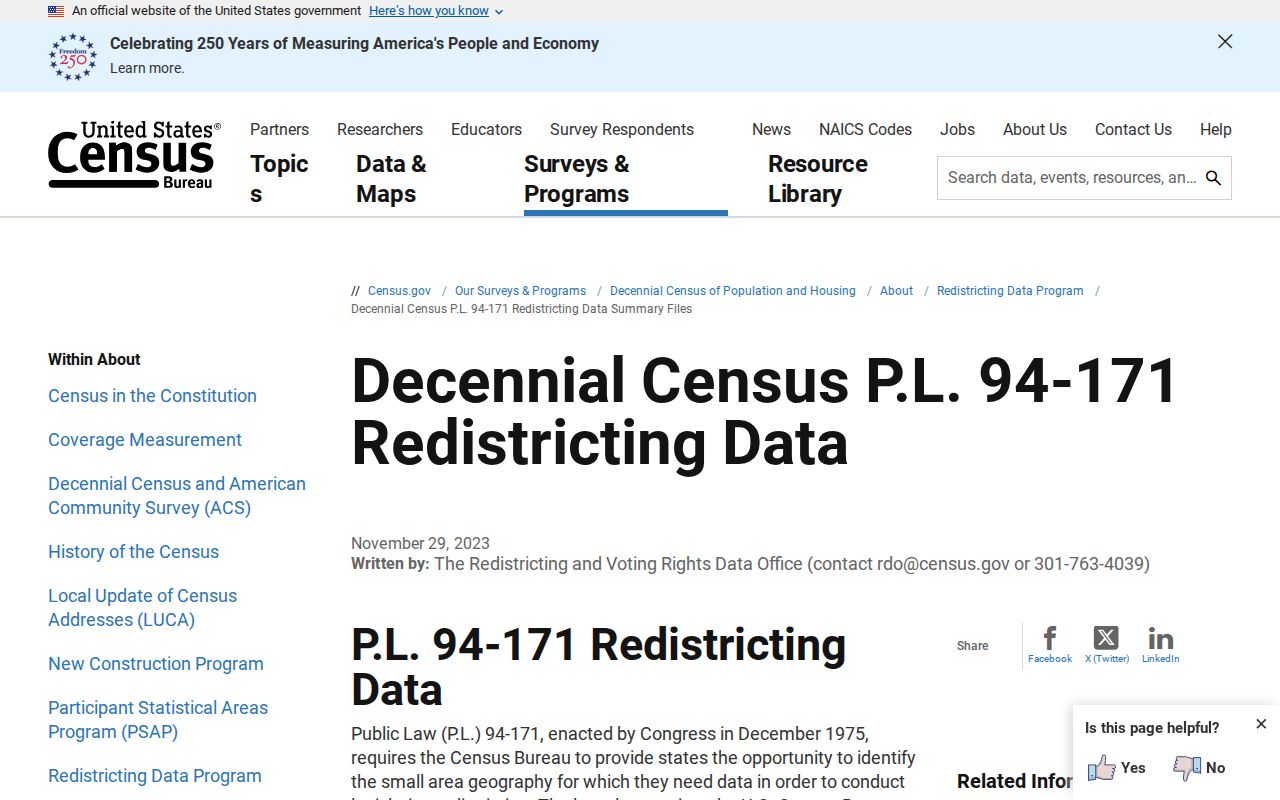
The consistent 2020 Census count places Mountain City second among Rabun County's incorporated places, with 904 residents. That population is useful context, but it should not be turned into a risk claim. A small change in the number of reported events can swing a rate sharply in a small city.
The 2020 Census redistricting data source supports the common-vintage ranking used for the city pages.
Any future crime figure should name the reporting agency, year, offense definition, and whether it counts incidents, arrests, or clearances.
The Mountain City Municipal Court File
The county detention FAQ names Mountain City as a court route, but no public municipal case-search portal was found. Ask the current clerk to search by citation number, name, and offense date. Request the final disposition if the goal is to know the outcome, and ask where a transferred matter was sent.
| Court Name | Mountain City Municipal Court |
|---|---|
| Case Types Heard | Assigned municipal and traffic matters; confirm exact jurisdiction with the clerk |
| Case Lookup Channel | Direct clerk or City Hall route; no indexed public name portal confirmed |
| What the Docket Shows | Citation, court events, plea, orders, and disposition when public |
| Copies & Fees | Confirm current inspection, copy, and certification terms before ordering |
A municipal file can answer a city-citation question that neither GCIC nor the jail record resolves.
County Jail Is Not the Court
Booking, charging, and adjudication are separate stages. Police make the report. Jail personnel create custody data. A prosecutor decides how to charge, and a court records the legal outcome. This division explains why a person can appear in the county jail while the next docket is in Mountain City.
- Booking
- Administrative intake into custody, with initial charge and bond or hold data.
- Docket
- The court's chronological register of filings and events.
- Disposition
- The outcome of a charge or case, such as conviction, dismissal, or acquittal.
- Transfer
- Movement of a matter to another court with the authority to hear it.
Use the disposition, not the intake charge, to describe how the case ended.
How Mountain City Records Reach the County
Fingerprintable arrest data can move from the arresting agency and booking process into GCIC. Courts and prosecutors later report dispositions. If the source record is missing or wrong, GCIC generally needs documentation or authorization from the agency responsible for that segment.
Record flow: Mountain City Police › Rabun County Courts › Georgia Bureau of Investigation, Georgia Crime Information Center
Recent local activity belongs with the city and jail. Final case status belongs with the court. A statewide repository result may lag and is not a substitute for either file.
Mountain City Record Restriction Route
Georgia calls its principal process record restriction. It limits qualifying GCIC information from public or private dissemination but does not destroy the source record. For an arrest before July 1, 2013, the official process generally begins with the arresting agency. For later arrests, the prosecutor is ordinarily the first restriction contact.
The GBI restriction guidance supplies the official rules.
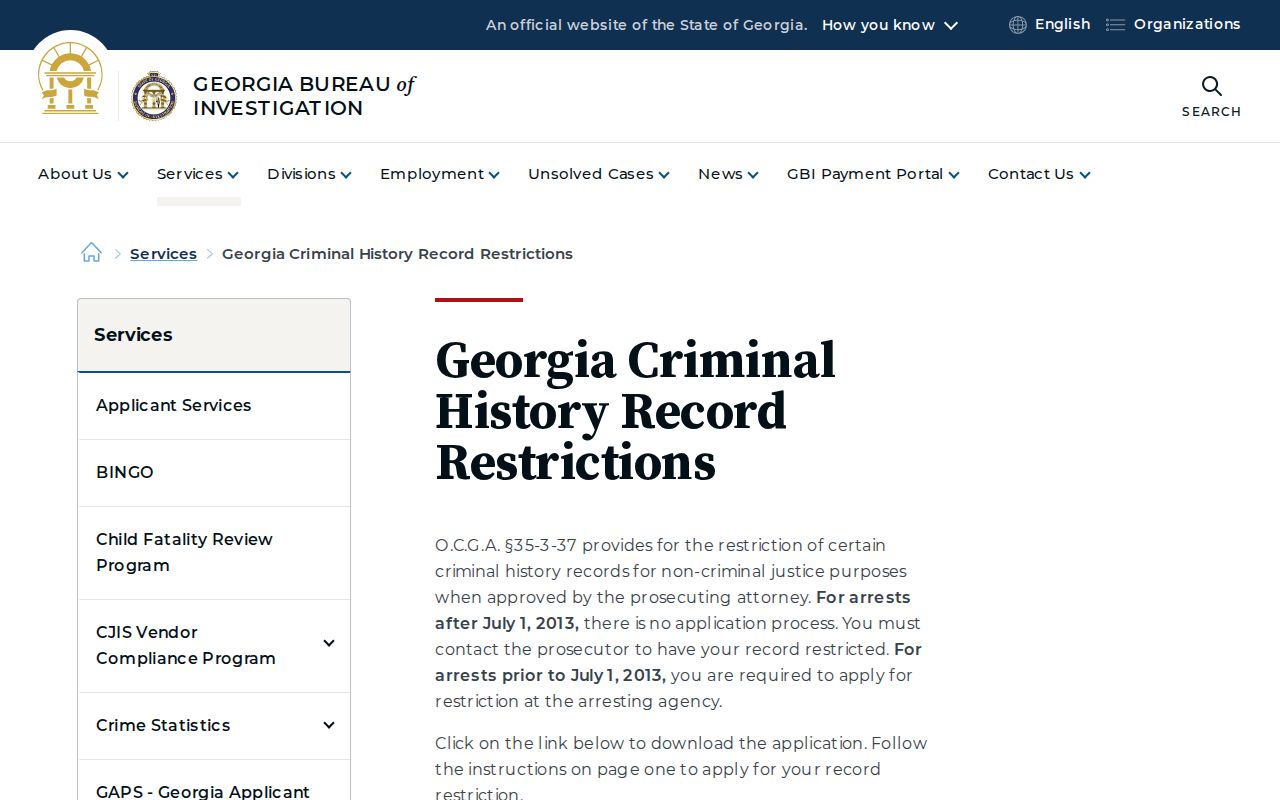
A Mountain City arrest should therefore be traced to the exact arresting agency before a request is filed.
Georgia also publishes a plain-language record restriction walkthrough.
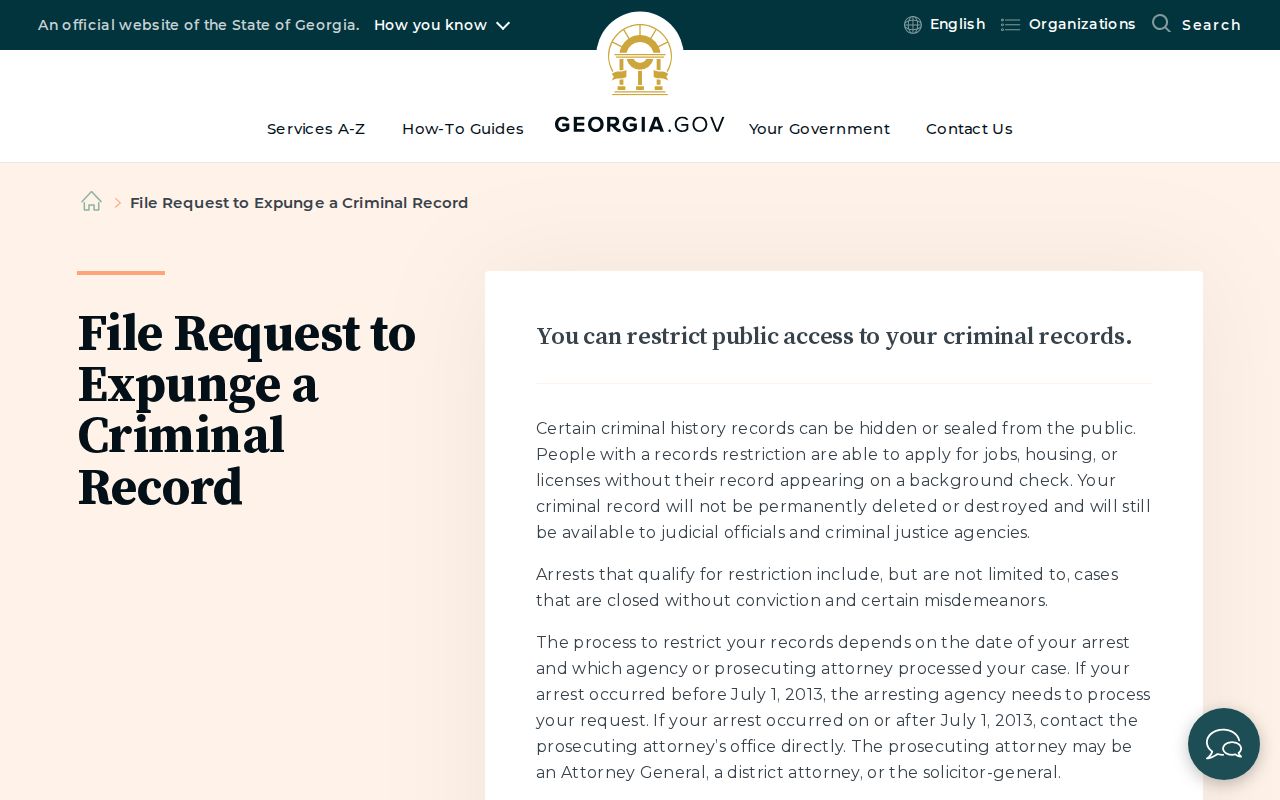
The official guide states that a denial may be appealed to the county Superior Court within 30 days and describes typical GCIC processing after a complete application.
Where Mountain City Outcomes Live
For a local citation, the Mountain City clerk is the likely outcome source. For a transferred, jury, or felony matter, contact the Rabun County Clerk of Superior Court at 25 Courthouse Square. Give the case number, name, and approximate year, then ask for the docket and certified disposition.
Rabun is absent from the accessible participating-court table in Georgia's E-Access directory. Mandatory e-filing does not create a free public name search. A manual clerk route remains essential for Mountain City cases that rise to Superior Court.
When records conflict, build a short timeline from the city report date, county booking time, citation or filing date, and final disposition. The first two events explain how the matter began. Only the filed court record shows what charge the prosecutor pursued and how the judge resolved it. A certified copy is especially useful when a reported GCIC cycle lacks its outcome. Keep the clerk's case number with the document because a name alone can match more than one person.
Mountain City Record Access Rules
Georgia's open-records law reaches nonexempt city agency records. It does not open confidential juvenile matters, sealed court files, protected personal identifiers, or every active-investigation detail. Ask for segregable public portions and a written basis for withheld material.
Mountain City requesters can reduce delay by naming one incident, one department, and a clear date range. State whether inspection or a copy will meet the need. If the city does not hold the file, ask staff to identify the agency shown in its routing information. For a court outcome, request the docket and disposition from the clerk rather than asking a police custodian to interpret a charge. Keep written responses with the source papers so later county or GCIC questions can be tied to the right event.
Key Statutes:
Georgia Open Records Act, O.C.G.A. §§ 50-18-70 through 50-18-77 governs requests for nonexempt agency records.
O.C.G.A. § 35-3-34 governs GCIC dissemination.
O.C.G.A. § 35-3-37 controls qualifying restriction requests.
Confirm present contacts and fees before publication because offices and vendor routes can change.